
Dreams, Prophecy, and Political Fear
Wolf HallThis thread traces how dreams and prophecies become instruments through which individuals interpret an uncertain political future.
increasing Bearing strength in each event
 decreasing
Bearing strength in each eventdecreasingRoyal Dreams
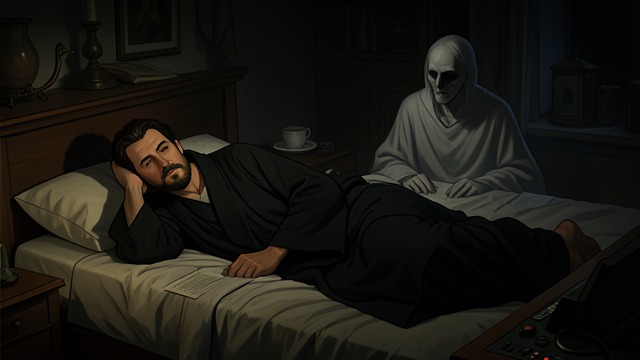
The Dead Speak to Henry
Arthur in the night
Henry dreams that his dead brother appears to question his possession of the crown and Katherine. The dream gives emotional form to a political and theological crisis.
Interpretation as power
Cromwell does not dismiss the dream; he redirects its meaning toward royal strength. The same vision can either weaken a ruler or authorize a new course.
The Maid’s Warnings
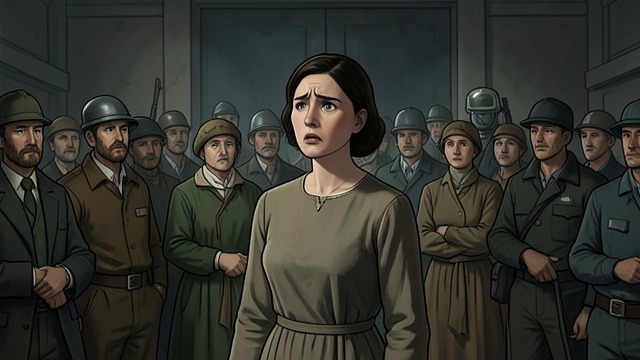
A Prophecy Against Anne
A public challenge
Elizabeth Barton warns that Henry will die if he marries Anne. Her prediction gives opponents a dramatic language for resisting the new queen.
Fear travels
The court cannot easily separate spiritual belief from political agitation. Cromwell traces how prophecies move through monasteries, noble households, and the listening city.
The Prediction’s Afterlife
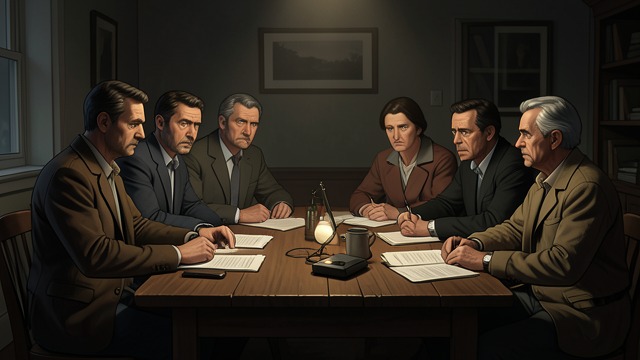
Omens in a Changing Realm
A contested future
Even after Barton’s confession and execution, rumours, dreams, and portents continue to shape political anxieties. Comets, illness, and disputed succession all invite interpretation.
Uncertainty remains
Cromwell distrusts simple prophecy but cannot prevent people from reading events as signs. The future is politically useful precisely because no one can know it with certainty.
New Year 1531
1532–1533
1534–1535
